
Introduction
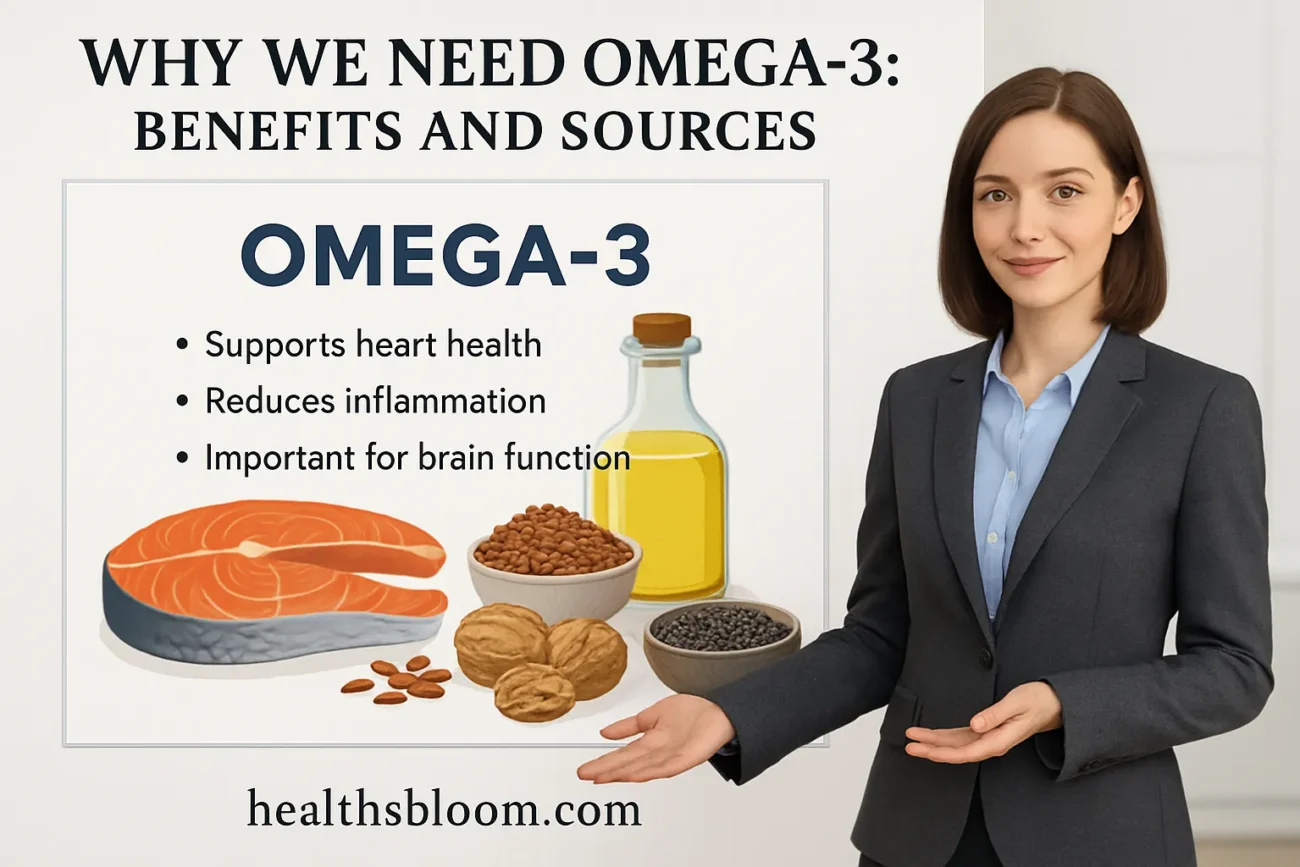
One of the most important nutrients is the omega-3s, which help you keep your body and mind running in good order. Because our system cannot produce these fats, we must acquire them either in the food we consume or through supplements. These healthy oils are useful in keeping your heart healthy, enhancing immunity, and helping the brain to develop. And in this comprehensive rundown, you will find out the reasons why omega-3 is important, the primary benefits it brings, the location of its occurrence within the food groups, and how much each age group needs to take on a daily basis.
Learning about Omega-3 Fatty Acids
Omega-3 fatty acids belong to a category of fats that are required by your body to remain healthy. They are of three main types:
ALA (Alpha-Linolenic Acid): ALA is a fat that cannot be synthesized in the body and is found in such plants as flaxseeds, chia, or walnuts. Although it could become EPA and DHA, that is not an efficient process; thus, obtaining those two directly from food is essential.
EPA (Eicosapentaenoic Acid): Fatty fish such as salmon or mackerel often contain EPA, which fights swelling effectively. This compound helps lower internal irritation while also supporting heart function.
DHA (Docosahexaenoic Acid): These omega-3s help build the brain, eyes, and nerves. During pregnancy or toddler years, DHA matters most, fueling the baby’s growing mind along with eye structure.
Every kind of omega-3 plays its own role in how your body works, so it’s smart to keep getting them regularly for better well-being.
Health Benefits of Omega-3 Fatty Acids
Omega-3 fatty acids offer numerous health benefits that can significantly improve overall well-being.
- Promotes a Healthy Heart: Omega-3 fatty acids boost heart health in many ways. Studies reveal these fats cut triglycerides, slash LDL while lifting HDL levels. They keep arteries clear by slowing plaque growth, plus easing blood pressure over time. Better flow follows naturally. EPA and DHA guard against irregular heartbeats, which cut the chances of serious events like heart failure or stroke. People already dealing with heart issues often see lasting gains from regular intake.
- Boosts brain health while improving thinking skills: DHA makes up close to 60% of your brain tissue, so it’s key for mental sharpness. Getting enough omega-3 helps memory work better, keeps nerve signals running smoothly, and boosts how fast you learn new things. It may lower the chances of getting dementia or Alzheimer’s, plus brings stability to emotions. These fats help control mood swings, so they can ease stress, even fight off sadness.
- Cuts down swelling across the body: Ongoing inflammation drives problems like stiff joints, heart trouble, extra weight, and gut issues. Fish oil fats fight this reaction by calming signals tied to swelling while helping immunity stay steady. These nutrients ease soreness and tightness in muscles, plus speed up healing post-workout. The EPA type especially stops swelling triggers, supporting lasting health and daily comfort.
- Keeps eyes healthy: DHA makes up most of the retina’s structure. Without enough DHA, seeing clearly may become harder. Omega-3 fats protect from the aging effects on eyesight while sharpening what you see; they also aid in babies’ vision growth. Consuming omega-3s often helps keep your vision strong over time, as regular use supports clear vision later in life.
- Essential for Pregnancy and Child Development: Omega-3 fats, particularly DHA, matter a lot when you’re expecting. These nutrients help build your baby’s brain along with eyes and nerves, plus contribute to a solid birth weight, lowering the chances of early delivery. Nursing moms get perks as well since DHA passed through milk boosts babies’ thinking abilities and sight strength.
- Boosts skin health plus how it looks: Omega-3 fats help keep your skin moist while aiding recovery. Because of them, you might see less irritation and flakiness, along with a tougher outer layer. They bring better stretch in the skin, guard from sun harm, too. These fats calm breakouts by cutting swelling, so your face feels softer, looks fresher, and shines naturally.
- Supports Mind and Feelings: Omega-3s play a key role in balancing serotonin, along with dopamine, brain chemicals tied to stable moods. These fats might ease signs of sadness or worry, boost the ability to handle tough emotions, while also helping you sleep more soundly, so they matter for mental health, plus handling daily pressure.
- Helps Joints and Bones Stay Strong: Beyond calming joint irritation, EPA plus DHA helps people with arthritis experience fewer aches, easier movement, and less puffiness. These omega-3s may boost how much calcium bones take in, which builds tougher skeletons while supporting flexible joints.
Best Sources of Omega-3 Fatty Acids
To meet daily omega-3 requirements, it is essential to include good food sources in your diet.
- Fatty Fish (High in EPA and DHA): Such as salmon, mackerel, sardines, tuna, herring, trout, or anchovies are packed with EPA and DHA. They are among the best natural ways to get omega-3s. Besides healthy fats, they deliver solid amounts of protein along with key vitamins and minerals.
- Plant-Based Sources (High in ALA): Flaxseeds and flaxseed oil offer a concentrated dose of ALA, making them a great choice for anyone avoiding meat. Chia seeds do too, plus they’re easy to toss into meals. Walnuts offer this fat alongside crunch and flavor. Hemp seeds bring protein while adding that same key nutrient. Soybeans work well in dishes from tofu to edamame. Canola oil slips into cooking without changing the taste much. Even Brussels sprouts chip in a bit when steamed or roasted. Your body turns ALA into EPA and DHA at a snail’s pace, but eating these helps anyway.
- Omega-3 Supplements: People who don’t get enough omega-3s from food might find pills helpful. Try fish oil, krill oil, cod liver oil, or algal oil, which works well if you’re plant-based and need DHA. Pick brands checked by an independent lab, so you know they’re clean. Go for ones that have been filtered and cleared of harmful stuff.
Daily Requirements of Omega-3 Fatty Acids
Daily omega-3 amounts depend on how old you are, whether you’re male or female, and your general well-being. Most guidelines say this:
- Adults: 250-500mg of EPA + DHA per day.
- Lactating and pregnant mothers: No less than 300mg DHA per day.
- Children: 100250mg/day, depending on the age.
- ALA intake:
Women: 1.1 g/day
Men: 1.6 g/day
Higher doses are potentially beneficial to people with heart conditions or with continued inflammation, if prescribed by medical practitioners.
Cautions and Safety Considerations
Some people may sense an odd flavor, have gas, and still seem okay while taking omega-3s. Too much might lead to trouble, such as higher risk of bleeding in some cases. Consult with your doctor before use if you’re pregnant, struggle with blood clots, or take drugs that reduce clotting. Not dangerous for each person, though getting advice keeps things safer.
Read Also: How to Improve Gut Health for Better Focus and Mood
Why Omega-3 Should Be Part of Daily Nutrition
Those people who eat more omega-3s often notice better heart and breathing performance, along with clearer thinking and concentration. These fats also help stabilize emotions while boosting overall mental wellness. Skin tends to look fresher, and hair grows stronger, thanks partly to their role in reducing swelling and discomfort. Sleep gets deeper and more regular when intake is consistent. The immune response can become more effective over time, too. Since these nutrients aid so many parts of the body, getting enough matters quite a bit for staying well down the road.
Conclusion
Omega-3s help your heart stay strong, sharpen thinking, keep immunity in check, ease stiff joints, and lift daytime energy. Since your body doesn’t make these fats naturally, you need to get them from what you eat or pills. Focusing on omega-3s – by choosing hearty foods or solid supplements builds better health in mind and body as days go by. Adding them into meals every day isn’t hard, but it brings real rewards, making you feel fitter, tougher against stress, and also livelier when moving through routines.
Disclaimer: Consult a healthcare provider before using Omega-3 supplements. This Healthsbloom article provides general information only and is not a substitute for professional medical advice or treatment.
Source: National Institutes of Health (NIH): Omega-3 Fatty Acids
