
Introduction
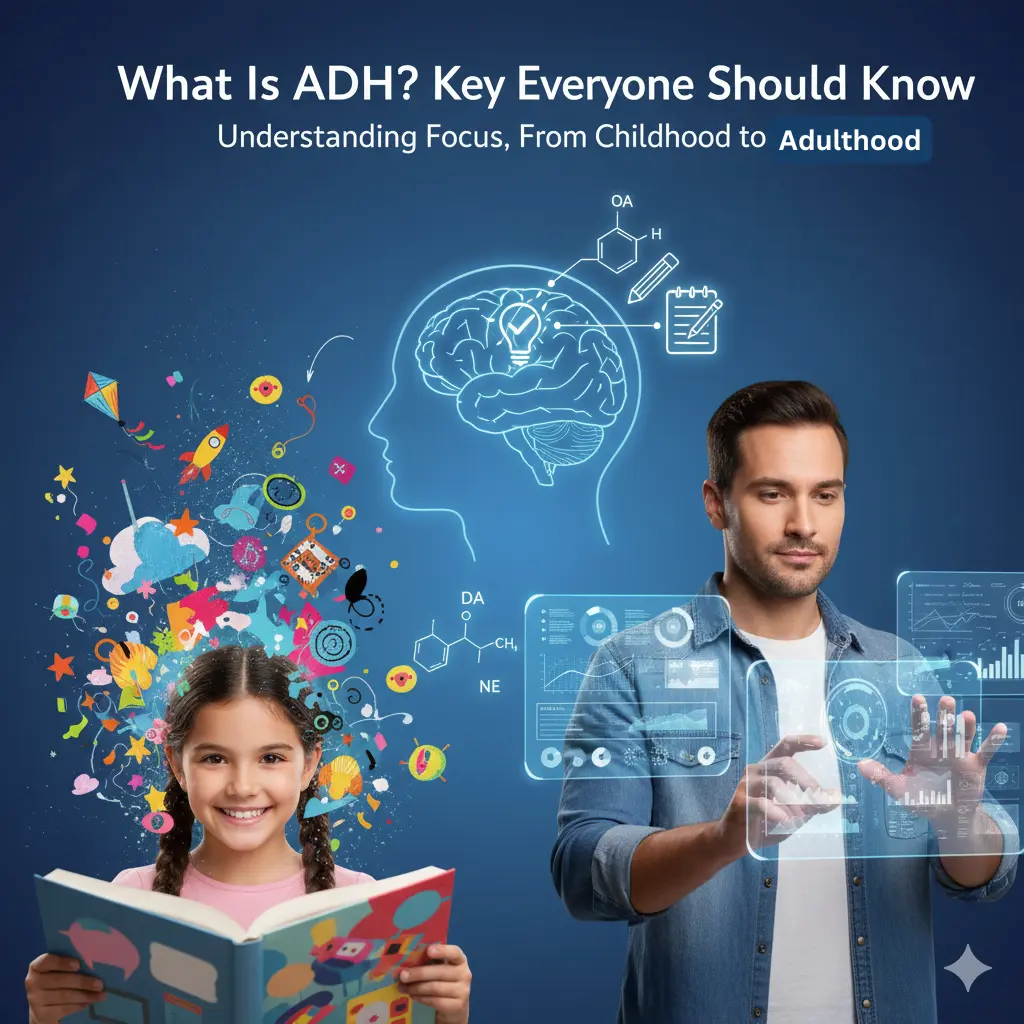
Attention-Deficit/Hyperactivity Disorder (ADHD) is a very well-known neurodevelopmental disorder affecting children and adults, as well. ADHD is a widespread brain-related condition seen in kids and grown-ups alike. Symptoms like trouble focusing, restlessness, or acting without thinking often interfere with everyday life. Knowing how it really works helps spot subtle signs while finding practical ways to handle it.
Understanding Attention-Deficit/Hyperactivity Disorder
Attention-Deficit/Hyperactivity Disorder usually shows up when someone is young, yet signs sometimes stick around later in life. Although ADHD is an individualized issue, there are three primary types of presentation in most cases.
- Predominantly Inattentive Presentation
- Predominantly Hyperactive-Impulsive Presentation
- Combined Presentation
Kids facing this might find it tough to stay on task, keep things tidy, or hold back impulses. In adults, these problems often shift toward difficulties with executive functions, such as juggling schedules, staying organized, or maintaining concentration at work.
Symptoms of Attention-Deficit/Hyperactivity Disorder
The symptoms of ADHD usually transform during childhood and adulthood. Typical signs are: Among the most frequent ones are lack of concentration, agitation, over day dreaming, and memory lapses. But experience is different for every individual.
- Inattention means trouble sticking to one thing, missing parts of directions, and failing to use time well. Kids might seem spacey, get sidetracked fast, and have a hard time finishing homework or daily duties.
- Hyperactivity is manifested through frequent fidgeting and the inability to sit still when necessary. Kids might move around nonstop, even when they should stay put. They may run, climb, or talk excessively compared to other children their age.
- Social problems are usually caused by impulsive actions, which include interrupting others in a conversation or making hasty decisions. When someone acts fast without pausing, it might push others away or create awkward moments.
These signs usually lead to problems at home or with friends, also making school tough. This can shake confidence and lower daily happiness.
Causes of Attention-Deficit/Hyperactivity Disorder
ADHD ties into changes in a brain area known as the frontal lobe, which is where focus and impulse control come in. Besides that, it involves shifts in how the brain manages certain chemicals, such as dopamine or norepinephrine. Outside factors might play a role in ADHD is more likely. Being around harmful stuff before birth, say, smoke or lead, can raise chances. Coming into the world too early also links to this pattern. Not weighing much at birth is another thing tied to it.
Diagnosis of ADHD
To spot Attention-Deficit/Hyperactivity Disorder (ADHD), doctors look at a person’s health history, carefully check symptoms, and also gather info from parents or teachers. Following DSM-5 rules, they focus on signs that stick around, mess with everyday life, yet start earlier than age twelve.
Importance of Professional Evaluation
Finding the right cause matters since ADHD signs might look like anxiety or depression, also similar to learning issues. Instead of guessing, a trained professional doctor checks everything carefully before deciding what helps most.
Treatment Options for ADHD
Though Attention-Deficit/Hyperactivity Disorder (ADHD) can’t be cured, good options exist to help control its effects. Therapies for ADHD are usually a mix of drugs, behavioral therapy, and lifestyle change.
- Medication: Stimulant meds get handed out a lot for ADHD; they really help people pay attention and stay calm. They work by boosting key brain chemicals that sharpen thinking, cutting down impulsive actions. When stimulants don’t click, doctors might try different types of medication instead.
- Behavioral Therapy: Behavioral therapy helps kids learn hands-on ways to handle challenges while boosting daily performance. Instead of just talking, it focuses on real-life tools that work. Parents who get coaching often see better results at home. Kids in group settings practice interacting with others in a safe space. These sessions build confidence through small wins. Support like this makes tough moments easier to navigate.
- Lifestyle Changes: Few changes in daily habits matter just as much as meds or counseling when handling Attention-Deficit/Hyperactivity Disorder. Physical exercise can be used regularly to increase attention and decrease restlessness. Moreover, an unprocessed food diet with high levels of Omega-3 fatty acids can be helpful in brain health.
Challenges and Misconceptions
ADHD gets mixed up a lot. Not just kids, it sticks around into adulthood, and plenty of people don’t know they have got it. That confusion? It messes with work life, friendships, and connections. Wrong ideas about it pile on shame, making people doubt themselves or feel off track.
Read Also: AIDS Awareness: Early Symptoms and How to Stay Protected
The Lifelong Impact of ADHD
Many adults still deal with Attention-Deficit/Hyperactivity Disorder (ADHD) signs that shape daily life, school results, job paths, or how they connect with others. Struggles like shaky confidence, holding down work, or tense bonds pop up because of quick decisions or zoning out.
Conclusion
Getting how Attention-Deficit/Hyperactivity Disorder people who have ADHD tend to handle it better. Spotting it sooner often means smarter routines make daily stuff less tricky. With tips from experts, tweaks in behavior, or a hand from loved ones, living with ADHD might actually feel kind of satisfying.
New studies are changing the way people see ADHD, cutting down on guesses, boosting insight, but also offering stronger help for anyone dealing with it. Spot something off in yourself or someone close? Talking to a health pro could open doors to real strategies for handling signs, plus add steadier days.
Frequently Asked Questions
What is Attention-Deficit/Hyperactivity Disorder?
One reason people struggle to focus could be ADHD, a condition tied to brain development. Instead of settling down with age, symptoms often stick around long after childhood ends. Movement feels restless, thoughts jump ahead, self-control slips without warning. This isn’t just about being distracted – it shapes choices, habits, and interactions every single day.
Is there a difference between ADD and ADHD?
These days, doctors do not use the name ADD anymore. Instead, they call it ADHD – short for Attention-Deficit/Hyperactivity Disorder. This condition shows up in different ways. One version leans heavily on trouble focusing. Another brings more restlessness and quick actions without thinking. Sometimes both sides appear together, forming what experts label the combined type. Each form involves its own pattern of behaviors.
Disclaimer: Information on HealthsBloom is for educational purposes only and not medical advice. Consult a professional for an ADHD diagnosis.
Source: CDC – Attention-Deficit/Hyperactivity Disorder Overview
