
Introduction
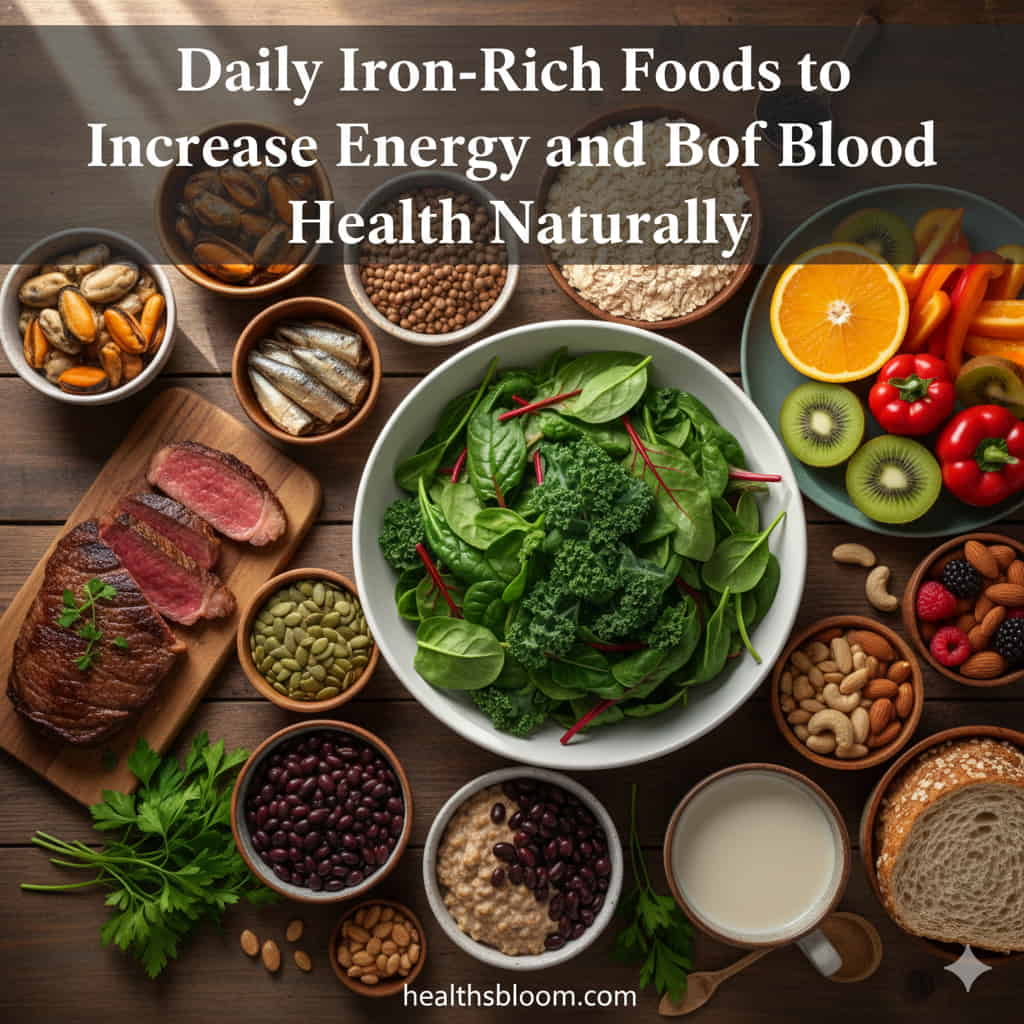
Iron is a nutrient that your body requires to synthesize hemoglobin, which is the stuff in red blood cells that carries oxygen to tissues. In cases where iron is insufficient, cells are deprived of oxygen, leading to the feeling of tiredness, lack of energy, dullness, or frequent illness. Although iron deficiency can impact a large population in different parts of the world, proper nutrition can maintain the levels under control by selecting smart food choices and tips that assist in its absorption. Here we discuss the best iron rich foods every day, deconstruct what iron actually does in the body, and share practical strategies for increasing its absorption without relying on pills.
Understanding iron: heme vs non-heme and absorption
Heme iron comes from animal sources like meat, poultry, or fish. It’s easily taken in by your body, no matter what’s on the plate with it. Non-heme iron is found in plant foods like beans, lentils, whole grains, spinach, and fortified cereals. Absorption depends heavily on what you mix them with and your digestive system’s health. When you eat citrus, berries, peppers, or tomatoes, their vitamin C boosts the uptake of plant-based iron overall; eating habits play a role, too. Things that can interfere include phytates in grains and legumes, high doses of calcium, and tannins in tea or coffee if sipped right when having iron rich foods.
Best daily foods with iron
Red meat and chicken, as well as fish, contain heme iron
- Beef liver is a good choice; other lean beef cuts are also good. The thighs of chicken are good, or have some turkey. Sardines are of good value, and tuna is no less.
- Try to include a small portion, about 3 to 4 oz, of lean red meat once a week, or alternate it with fish. Add something to the same meal, such as oranges, bell peppers, or broccoli, so the body is getting more iron in vegetables and beans.
Non-heme iron is found in beans as well as legumes
- Solid iron rich foods are provided by lentils, chickpeas, or black beans; fiber is provided, and plant protein is increased. Kidney beans and soy have the same benefits, but are slower to digest, and at the same time raise the energy levels to remain stable.
- Attempt to add beans to the salads, soups, or rice blends. In order to reduce phytic acid, they should be soaked and then rinsed off. Take them with slices of orange or cut up peppers in order to get as much absorbed in your body.
Whole grains also enrich breakfast choices.
- Quinoa, barley, or amaranth, as well as bulgur and cereals with added iron, provide solid iron, especially when you are foregoing meat.
- Eat whole grains when you have an opportunity – check the label to find what is added to it. Pair them with vitamin C-rich foods to ensure that your body absorbs more of it.
Snap peas or spinach are a good source of iron
- Leafy greens like spinach, plus Swiss chard, deliver non-heme iron, so they’re solid vegan options. Kale, along with beet tops, also counts, offering a helpful dose from plants. By cooking them, your body is able to absorb more of them because heat reduces the amount of oxalate in some of the leafy types.
- Eat greens that are cooked 2-3 times per week. DASH of lemon with fried foods enhances vitamin C.
Whole-grain nuts and dried fruit
- Pumpkin seeds are a good source of iron rich foods, good fats, and essential nutrients. Sesame seeds have a similar mixture but with a nutty bite. Cashews are creamy and also increase the intake of minerals. Almonds throw in crunch and necessary trace elements. Dried apricots are sweet, chewy, and can provide a decent iron boost.
- Take some nuts and an orange; this makes your body better absorb the nutrients when you have them together.
Tofu and tempeh or seitan, in case you prefer not to eat meat
- These soy products contain iron as well as protein and can be used in most dishes.
- Add it to stir-fries, combine it into grain bowls, or throw it into curries – put something rich in vitamin C with every serving.
All day plans to optimize iron status.
Prepare iron rich foods throughout the day: Build iron-rich meals across the day.
- Breakfast: fortified cereal or oats combined with berries, vitamin C increases the efficiency of your body in utilizing non-heme iron.
- Lunch: lentils combined with fresh spinach, tossed with chopped peppers, drizzled with an orange-based tangy sauce.
- Dinner: Grilled salmon or chicken with dinner, quinoa – broccoli on the side.
Add vitamin C to non-heme iron: Eat spinach or lentils with oranges, which makes your body absorb more iron. Kiwi is also great with beans, and it does a good job. At lunch, bell peppers go well with tofu. Even adding tomatoes to dishes with chickpeas makes a difference.
Be mindful of inhibitors: In case you take a lot of tea or coffee, consume it in between meals as opposed to during, since when combined with iron rich foods, the polyphenols may reduce the amount of iron your body absorbs.
Consider When and How Often You Eat: When you are iron-deficient, eat iron rich foods all day long; this will increase the amount of iron that your body obtains. It also matters when the meals are planned.
Supplements: Certain individuals require additional iron occasionally, such as in pregnancy, in case they lose a lot of blood monthly, or when they have particular healthcare conditions. Always swallow these pills when your doctor says it is okay; otherwise, too much iron may cause trouble or even interfere with your medication.
Special Populations and Considerations
- Pregnancy alters your body’s iron requirements – what doctors recommend is to change food preferences or to add an iron supplement to the diet before delivery.
- Vegans or vegetarians? Iron rich foods: Look at beans, also greens, then seeds – don’t skip fortified foods either. Add some citrus to enhance absorption. Have a physical examination now and then to be safe.
- Athletes require iron so that their muscles receive an adequate amount of oxygen. Women tend to need more since they lose it during perspiration or eating. Some get low because of rigorous training. Remaining alert is one of the ways to maintain energy during the exercises.
- Patients with problems like hemochromatosis should have doctors check-in regularly – to ensure the iron does not accumulate. Instead of missing appointments, keeping up to date is one way of avoiding problems in the future.
Safety and monitoring
- Fatigue, pallor of the skin, difficulty breathing, dizziness, and weak nails may also appear. These symptoms hanging around? Visit a medical professional to check such as ferritin, transferrin levels, and a blood count test.
- Signs of excessive iron (overload), particularly from supplements, can include nausea or abdominal pain. In severe cases, joint pain or long-term damage may occur. No taking strong supplements without the recommendation of a doctor. Better safe than sorry with heavy doses yourself.
- Iron pills may interfere with certain medicines, such as antacids or antibiotics, or even some nerve medicines. Discuss them with a doctor before taking them.
Read Also: Best Liver Detox Foods: Natural Ways to Cleanse and Support Liver Health
Conclusion
The combination of iron rich foods is good to maintain the energy level and good blood circulation by providing your body with what it needs and enabling it to utilize the same iron. Pay attention to meat and plant-based options, pair iron sources in plant-based items with sources of vitamin C, and reduce things that inhibit absorption during those meals. Regular dietary practices and physician recommendations, where necessary, can be used to avoid low iron and promote permanent energy. Start by adding a handful of spinach or a cup of lentils to your meals this week and feel the natural boost in your daily energy!
Frequently Asked Questions:
What are natural iron rich foods for energy?
Lean meats or shellfish give your body usable iron to help you feel energized. Legumes alongside whole-grain options boost stamina naturally. Greens like spinach work well when eaten regularly. Nuts plus pumpkin seeds add a handy snack option. Fortified breakfast picks step up mineral intake. Seafood now and then keeps levels steady. Each iron rich foods choice fuels daily movement differently.
Want more iron from food?
Yep. Stick to plant-based iron, think beans or spinach, and skip strong coffee or tea around meal times. Instead, mix in some orange slices or chopped peppers to help absorption.
How much iron do adults require per day?
Depending on age, gender, or life stage, refer to the official advice or consult a doctor on your specific needs.
Are there risks with iron rich foods?
Other people ask whether iron rich foods are dangerous. Plenty of people handle them just fine. But large doses of supplements can cause stomach ails now and then. The unusual yet feasible overload.
Take iron pills?
Just take it if your doctor says so, especially with a diagnosed low blood count, during pregnancy, or when dealing with certain health problems.
Disclaimer: This Healthsbloom information is for educational purposes only and not medical advice. Consult a professional before making dietary changes to manage energy or blood health.
Source: Cleveland Clinic
