
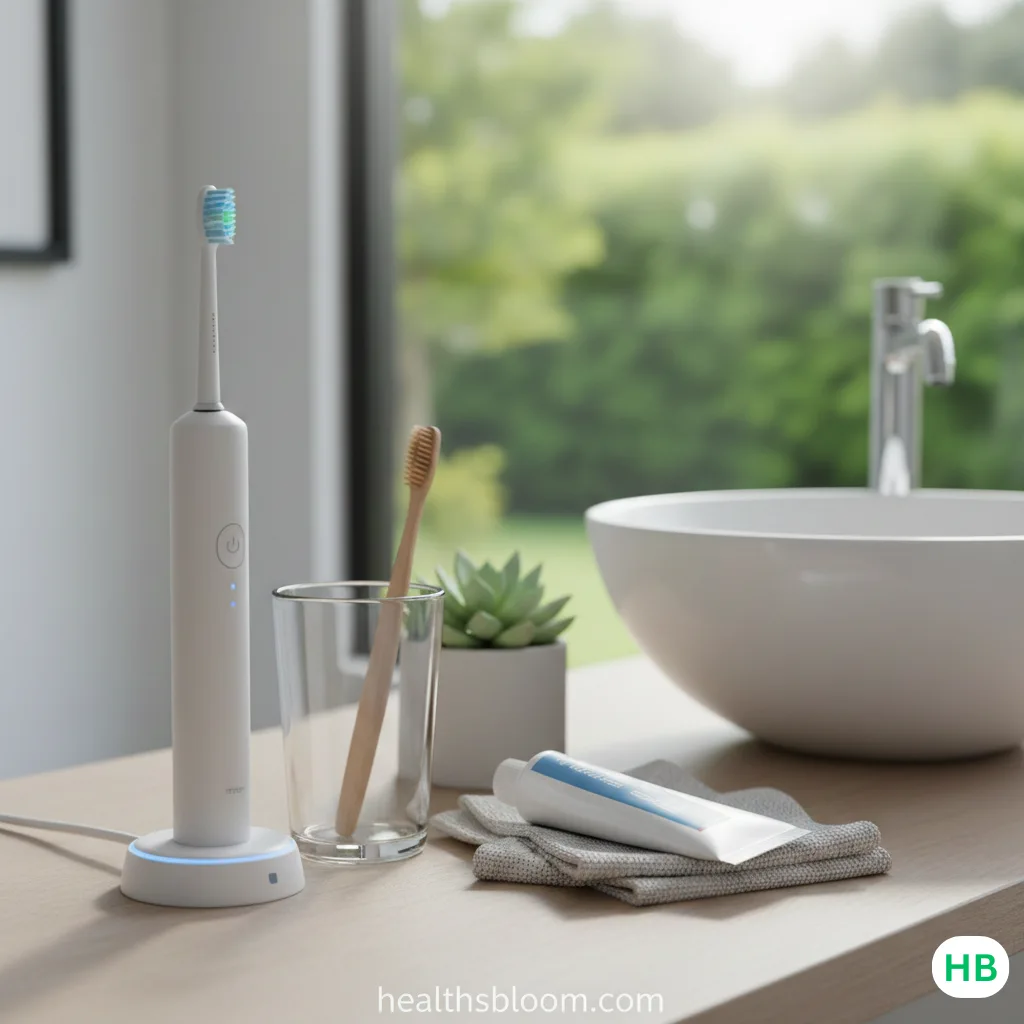
Introduction
Your teeth stay healthier when your brush fits to clean your mouth as you need. Since spinning-head models show up everywhere now, folks ask do they beat the old kind? One spins on its own, while you move the other by hand – that changes how clean things get. Each has perks, each has hiccups. Knowing those details shapes smarter choices over time.
What Are Electric Toothbrushes?
Inside a tiny engine hums, pushing the brush head to spin, slide, or jitter without pause. Motion wakes at the flick of a switch, guided by currents flowing through hidden wires. Each movement was shaped by design, yet felt only in rhythm against teeth.
Instead of power, a manual version depends only on how you guide it across your teeth. When brushed each day properly, either kind helps keep your mouth clean. Yet one runs on electricity; the other works through your own hands.
How Does It Work in the Body?
Bacteria stick to teeth and gums as a gummy layer. When brushing stops, that gunk stays behind. Left too long, tiny holes dig into enamel. Swollen gums show up next. Other troubles follow when cleanliness slips.
Shaking fast, electric toothbrushes stir things up. From that motion come little bursts of saliva mixed with paste, squeezing into narrow spaces between teeth. Without actually touching, these fizzing pockets loosen gunk where brushing misses. Hidden corners get attention, thanks to invisible pops doing unseen work.
Reaching those areas by hand takes careful positioning, steady motion. Gliding gently matters more than pressing hard when using an electric brush. Start near the edge where teeth meet gums, angled halfway between vertical and flat.
Motion comes from shifting hand position – no effort needed beyond guiding it along each surface. The machine handles vibration and rhythm on its own. Pushing too much leads to tenderness over time since movement builds up quickly under power. Each day you brush matters, whether powered or not, because repetition wears down bad microbes over time. Healthy gums stick around when routine wins.
Key Types and Differences
Electric toothbrushes vary in how they are moved and function. Common types include:
- Oscillating-rotating brushes: These tiny circular heads swing side to side, reaching each tooth separately. A gentle sweep moves across spots others miss. Each motion stays focused on one area at a time. Shifting direction helps loosen hidden bits. The shape fits tight spaces without force.
- Vibrating or sonic brushes: High-speed vibrations help move fluid and toothpaste between teeth.
- Manual toothbrushes: Bristle feel and brush head dimensions vary across models – motion stays manual throughout. One version might suit tighter corners, another spreads wider, yet all rely on hand-driven strokes alone.
What sets them apart? One needs steady work from you, the other does it on its own. Automatic ones move without help, whereas hand-powered versions depend on how you guide them.
Health Benefits of Electric Toothbrushes
Some studies show electric models might work a bit better, yet either kind gets the job done when used right.
Improved plaque removal
Few research efforts have pointed out that electric models tend to clear away plaque more effectively with regular use. Those who find it hard to brush properly might notice a difference using them instead.
Better gum health
Using it often leads to steadier care, which can ease swelling in gums along with less bleeding over time.
Ease of use
For those who struggle to grip or move their hands well, an electric brush might ease the task of cleaning teeth. Brushing becomes less effort when the tool does more of the motion work.
Built-in timing support
People who use electric toothbrushes often find a timer built in, nudging them to brush right around the full two minutes experts suggest.
Most people overlook how daily brushing shapes dental health far more than the brush itself. What matters grows from routine, not tools. Choices each morning add up quieter than expected. The real difference hides in consistency, rarely in gadgets.
Who Benefits Most?
Electric toothbrushes might help some people more :
- Children Learning: Kids pick up brushing when electric toothbrushes turn it into play instead of a duty. Bright colors, sounds, or app feedback hold their attention while they clean. With timers built in through tunes or blinking patterns, little ones stay focused for the whole two minutes without noticing the time pass. Slowly, doing this every day becomes second nature, shaped by moments that feel more like games than tasks.
- Limited Mobility: Older People, Adults With Arthritis or Limited Mobility can benefit.
- Individuals who wear Braces or Dental Work: Brackets and wires leave numerous small food-hiding areas. Electric brushes in this case are superior since their vibrations go around crowns (artificial caps) and behind wires more easily than a manual brush, thus holding the complicated dental work far cleaner.
- Brushing: Some people press down way too hard when brushing. Others barely spend any time on it. Heavy pressure can damage gums over days. Short sessions fail to clear away plaque fully. Both habits lead to problems nobody wants later
Some people manage a basic toothbrush just fine with a manual brush when they already brush well and handle it carefully.
Read Also: Ashwagandha Benefits for Women Stress: Natural Support for Calm and Balance
Safety, Risks, Considerations
Electric toothbrushes are normally considered to be relatively safe for the teeth of the users, but there are a few facts that they should be aware of before they take the plunge.
- Price: Brushes powered by electricity are pricier in the short term and need to have their heads changed.
- Overbrushing: Pushing too hard while brushing might harm your gums. Yet some electric toothbrushes come with sensors inside that notice heavy pressure. A light may blink when the force is too strong. Or the brush simply reduces its movement. This helps stop injury in your mouth.
- Environmental Impact: Out in nature, manual toothbrushes behave better – bamboo ones even more so. When electric kinds wear out, their insides turn into stubborn trash. Batteries and tiny electronics pile up where they shouldn’t. Over months, that mess adds weight to Earth’s load.
- Travel and Portability: Brushes you carry work best on trips since they weigh almost nothing, tuck into tight spots, yet always stay ready. When away from home, electric ones tend to take up too much room. Hauling along chargers or spare cells adds weight, while losing juice mid-journey leaves them useless. Plain tools win then.
- Maintenance: A fresh brush head – or a brand new tool every three months – makes the routine actually work. When bristles start to spread or break apart, their job gets worse, sometimes harming gum tissue. It is less about which kind you pick, more about when you change it.
This is even with manual brushing tools: brushing too hard or wearing out bristles can cause damage to teeth. Over time, wear reduces cleaning ability. Type does not matter; timing does.
Get Started with Practical Tips
If you are choosing between an electric and manual toothbrush, check and consider these general tips:
- Bristles that are gentle work better for keeping gums safe when picking a brush
- Brush twice daily for about two minutes
- Use the right technique: Besides proper motion, tiny loops work best when brushing by hand. With electric models, simply ease the tip along every tooth surface without rushing.
- Brush where your gums meet the teeth, not only on the front of each tooth
- Floss each day while you brush to see clearer progress
What you do every day shapes results far more than what you use. Skill changes outcomes, not just the object in your hand.
Conclusion
Some people find electric models easier to handle, yet great teeth cleaning doesn’t depend on them. What matters most? Using any brush the right way, each time. A simple manual version works just fine if you stick with it daily. Comfort plays a big role in picking what feels natural in your hand. Good routines matter more than gadget features. Seeing your dentist regularly helps too, no matter which brush you choose.
Note: A sudden change to an electric toothbrush could spark gum bleeding, but if it lasts past fourteen days, pause. That irritation may point beyond the device. Hidden gum issues sometimes show up just like that. Better to have a professional take a look when things don’t settle down.
Frequently Ask Questions
Will an electric toothbrush be more suitable for my gums?
Yes, since they can have sensors to prevent the tendency to press too hard and damage the gum tissue.
What is the frequency of brush head replacement?
It is also supposed to be used after every 3 months or even sooner when the bristles start to look ripped and flatten out.
Can electric toothbrushes be used by children?
Yes, and they can do this by making the kids brush for the entire two minutes or by making it a game.
Do electric toothbrushes become less environmentally friendly?
Yes, they are creating battery and circuit e-wastes, and a bamboo brush that one has to use manually is more environmentally friendly.
Disclaimer: This Healthsbloom article provides educational information only and does not replace professional dental advice. Consult your dentist to determine which toothbrush best suits your oral health.
Source: The Effect of Different Electric Toothbrush Technologies
