
Introduction
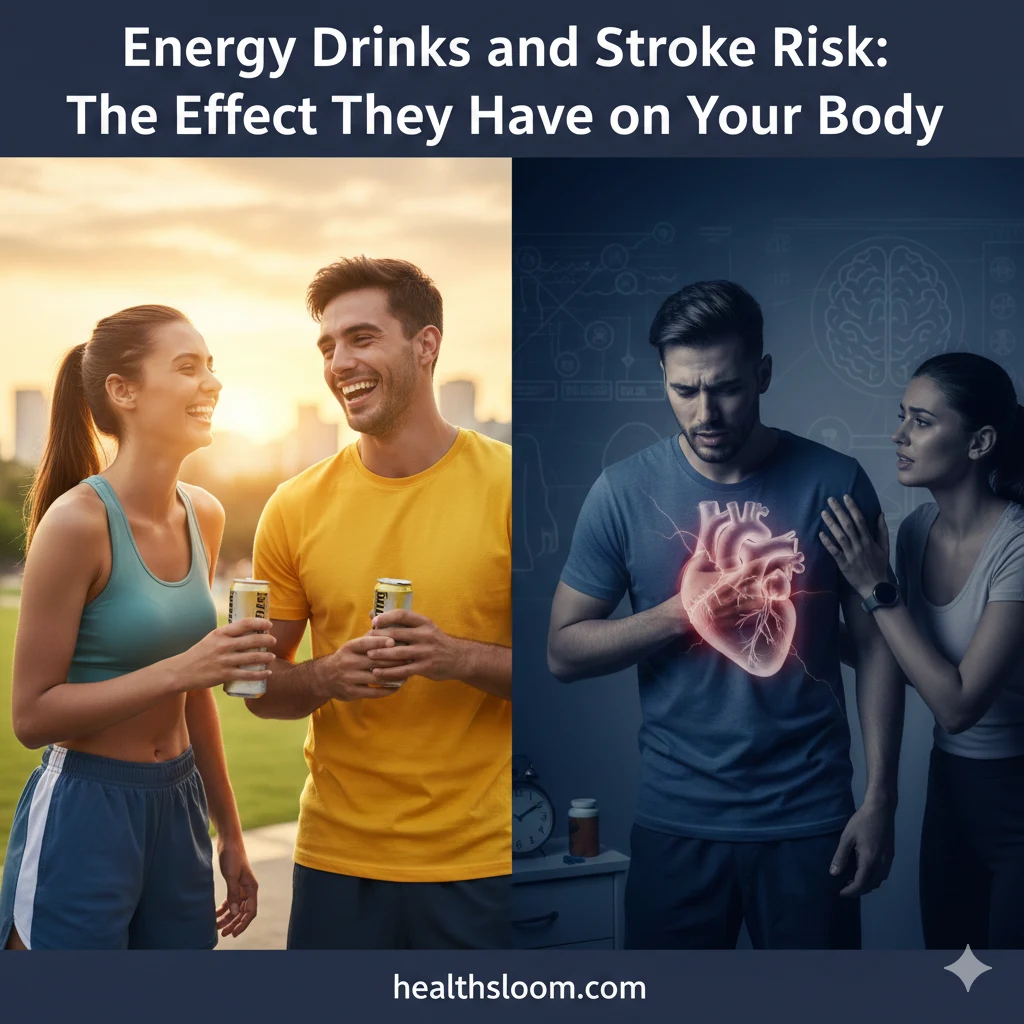
Energy beverages became significantly more popular recently, both among teenagers and youth, and among people with hectic lifestyles. The products are sold as energy boosters in a bottle and consist of caffeine, sugar (or artificial sweeteners), additives such as taurine, B vitamins, and plants in one glitzy can. Of course, they can tighten the focus quickly, yet the concerns are accumulating regarding heart-related adverse effects, like stroke.
Energy drinks and stroke risk is what is really in these beverages, how the body responds to them, what studies have found revealing so far concerning the linking of strokes, and how you can use them smarter if you decide to. For instance, worries come from things such as raised blood pressure or irregular heartbeat, both of which may raise the chances of a blockage-related stroke.
What is in the energy drinks, and what can they do to your body?
There are various ingredients that are common in energy drinks that impact the body in various ways. The vast majority of energy drinks contain caffeine, and each can or bottle of energy drinks contains approximately 80-300mg, depending on the brand and the size.
As a comparison, an 8-ounce cup of coffee contains approximately 95 mg. However, a single energy drink can often contain a higher total amount of caffeine because the can size is typically larger than 8 ounces, leading to a greater intake per serving.
They too contain sugar, which gives instant energy but may lead to peaks in blood sugar, and sugar-free ones use artificial or zero-calorie sweeteners. Other common additives are taurine, guarana, which could provide additional caffeine, L-carnitine, ginseng, B-vitamins, and herbal formulations.
Physical response can be intensified by adding some stimulating ingredients to the body. Citric acid, carbonated water, flavored additives, and added minerals are also found in many of the drinks.
How these ingredients influence risk factors relevant to stroke
- Blood pressure and heartbeat: Stimulants such as caffeine may raise systolic pressure and pulse, especially when the intake is high or an individual is sensitive to it. With time, regular spikes would put pressure on the heart and vessels.
- Arrhythmias: Irregular heartbeats can trigger or worsen Atrial Fibrillation (AFib), where the heart beats rapidly and irregularly. This condition disrupts normal blood flow, significantly increasing the risk of stroke due to potential blood clot formation.
- Blood vessel activity: There is a minor amount of research that suggests that there is a temporary effect of caffeine or similar boosters on the functionality of the inner walls of blood vessels. These changes may have an impact on circulation health in weeks or months, yet the outcomes are not yet apparent.
- Metabolic effects: Excess sugar causes weight gain, insulin difficulties, or even some metabolic problems in some people. These factors increase the risk of a stroke.
- Sleep disruption: Staying awake at night? Caffeine later disturbs your sleep. Lack of sleep in the long term is associated with increased blood pressure, nervous temperaments, or even cardiac complications in future life.
How is the science of energy drinks associated with strokes?
The effects on the heart and blood pressure could determine the effect of energy drinks on stroke risk. Others complain of increased blood pressure, elevated heart rate, chest pains, or stroke-like symptoms following drinking them, particularly those who are prone to it or large quantities. The young people might be affected more as they take in more caffeine in relation to their body weight.
Research has been associated with heavy use leading to ER visits of heart racing or dizziness, yet research hasn’t confirmed a clear connection between energy drinks and strokes so far. Instead, they tend to worsen existing issues such as elevated blood pressure.
Who has to remain especially attentive?
- Individuals with cardiovascular conditions: Individuals with heart issues such as high blood pressure, irregular heartbeat, weak heart performance, or a history of strokes, or those who risk having a stroke due to medical examination, are better off not having energy drinks or drinking them in the minimal quantity possible.
- People with caffeine sensitivity: People with sensitivity to caffeine may experience aggravation of their symptoms, particularly when they already experience the problems of anxiety, insomnia, or caffeine-induced headaches.
- Pregnant women: Pregnant individuals should limit caffeine, and energy drinks add to this intake, so they are best avoided.
- Minors and young adults: The bodies of young people are yet to mature, particularly their heart and their brains, hence energy drinks full of caffeine are not a great idea. Better still, they should be drinking softer drinks such as water or natural fruit juices.
- Those on medications: When you put on meds, energy drinks may interfere with their action, particularly substances like stimulants or thinning agents, which may alter your heartbeat or blood pressure. To be on the safe side, consult a physician.
Safe consumption: useful principles
Monitor your caffeine consumption
In case you consume coffee, tea, or soda daily, calculate the amount of caffeine you receive. Although the U.S. FDA recommends 400mg/day, as it is acceptable by most healthy individuals, some can cope with it more than others. Check the label for how much caffeine is in each can, what a serving is, and the total sugar or carbs. Be careful of caffeine lurking in such items as guarana or yerba mate.
Use sparingly
Not all the time, but once a week, energy drinks. In case fatigue frequently appears, consider such potential causes as rest, pressure, diet, or health conditions, and seek the assistance of a doctor. Choose wisely when to take a break, do not take it after noon because you will not get a good rest.
Be ready with alternatives
Water can help to keep you alert, and herbal tea can provide some mild stimulation. Snacks such as fruit or nuts can also help. Whole grains also do, with constant energy and no highs and lows of potent stimulators.
Break the lift, then drop the concept
Now and then, people get a little burst of energy that dies away quickly. When you are tired after the energy drink, perhaps reduce or use less aggressive pick-me-up options.
Weighing the advantages and the dangers
Other people consider energy drinks to keep them awake when studying late, when they are out on the road, or when working on difficult shifts. Up to a time when used sparingly, they could be quite appropriate to some individuals. But beware – these beverages may play with your heart or give you sleeplessness. In case you have health problems such as high blood pressure or have had a stroke in the past, it is better to omit them or consult a physician.
Safety maximization tips and risk minimization
Tips to maximize safety and minimize risk
- Pick wisely: choose energy drinks that pack lower caffeine levels, skip the added sugars. Go for versions with zero stimulant, maybe a hint only if it messes with your system.
- Notice what’s going on in your body: Watch for things like a fast heartbeat, dizziness, tightness in the chest, restlessness, or difficulty falling asleep after taking it. If you notice any of these symptoms, quit using the item straight away and reach out to a medical professional without delay.
- Skip the booze: At gatherings, people often mix energy drinks with alcohol – but this combo masks tiredness, so you could keep drinking without realizing it, boosting risks like dehydration, heart strain, or even stroke-related problems.
- Combine with healthy habits: Rest well, stay active now and then, fuel up on good food, and don’t forget to sip water all day. Looking after your whole self bit by bit cuts down heart problems later.
- Consult your Doctor: If you have high blood pressure or have once had a stroke, speak to your doctor. The same goes if your pulse feels irregular or if you’re taking drugs that affect your heart or metabolism. Instead of guessing, ask them before adding energy drinks to your routine.
Read Also: How to Balance Blood Sugar for All-Day Energy and Easy Weight Control
Conclusion
Energy drinks do not necessarily make everyone bad, but they have potential consequences, in particular, cardiovascular problems or stroke. The combination of caffeine and sugar, and other stimulants, may cause an immediate rise in blood pressure and pulse of some individuals; a regular intake may gradually accumulate some form of latent health hazard.
With these, take in low quantities, watch intake of caffeine content, and more, as to daily habits that keep your heart fit. Before taking any of these drinks, consult a doctor in case of any heart issues, pregnancy, or ignorance of the effects that the beverages have on the body.
Frequently Asked Questions:
What’s behind the dizzy spells or fast heartbeat from energy drinks?
Too much caffeine or strong stimulants might push your heart and nerves into overdrive.
Disclaimer: This Healthsbloom’s article is for informational purposes only and is not medical advice. Consult a doctor regarding energy drink consumption and your specific cardiovascular stroke risk factors.
Source: National Library of Medicine (NIH/NCBI) – Energy Drink
