
Introduction
For hundreds of years, people have been dining on nutritious, healthy soup as it is good and provides power. A warm bowl of soup can be comforting and gentle on digestion, and keeps your energy levels high throughout the day. Still, every pot isn’t equal. A few drown in sodium or grease. Others bring honest value, something solid each day when hunger shows up.
What Makes a Soup Healthy?
Built from real foods with little tinkering, a good soup feeds more than hunger. Not every bowl does that; this one gives energy, not just bulk. Key elements of a healthy soup include:
- Fresh vegetables
- Lean protein sources
- Fresh from the field, whole grains like brown rice or quinoa fit well here. Not just those beans, lentils, and chickpeas, but also step into place nicely as sturdy plant proteins.
- Moderate consumption of healthy fats, like olive oil.
- Low sodium content
A pot simmering on the stove often holds the real answer. What goes inside depends only on your choices when stirring. Store versions sometimes come close, though hands-on mixing shapes both taste and amount.
Healthy Soup Can Improve Well-being
Supports Weight Management
Water, fiber, and protein pack a punch when it comes to staying satisfied. Soups bring them together. That mix tends to keep hunger at bay, which means less snacking later on. Beginning dinner with a bowl? It could lead to eating lighter without even trying.
Improves Digestion
Plenty of fiber has been built into vegetable soups to support good gut action daily. The warm liquid is useful in calming down the body tract, and the warm nature of the liquid is useful in opening up the vitamins stored in the food, making them easy to get absorbed into the body.
Boosts Hydration
The fact that individuals fail to hydrate well daily is normal. Nevertheless, soup is capable of addressing this gap, giving hydration and such positive substances as potassium and magnesium. These are substances that contribute to maintaining the body fluids.
Strengthens Immunity
An excellent beginning, a warm bowl with garlic, ginger, turmeric, veggies, and bone broth, which is also rich, is a combination of natural elements that are known to help the body’s defenses. While simmering, these ingredients release substances fighting oxidative stress alongside calming irritation inside the system. Instead of relying on supplements, this mix offers a grounded way to maintain resilience through food. From morning sips to evening refuels, such soups quietly contribute to staying healthy during cold and flu season.
Supports Heart Health
A bowl full of veggies, legumes, and light meats might steady your heart markers. This works best if it’s made without heavy salt or greasy ingredients.
Best Types of Healthy Soup
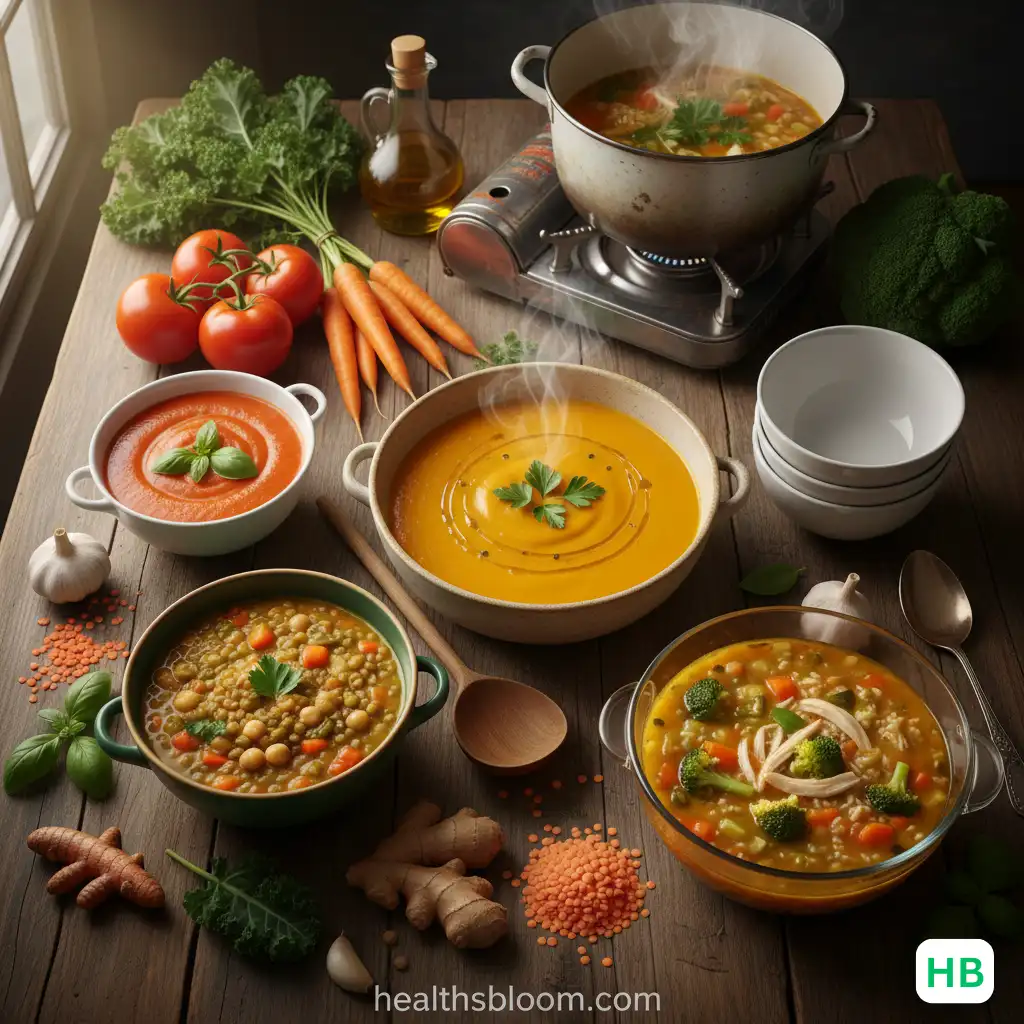
- Vegetable Soup: A fresh choice stands out for wellness.Full of nutrients the body requires, including beneficial fibers. Most productive with lots of bright veggies,s consider orange carrots, beets, tomatoes, and green broccoli. The mix brings more natural goodness into each bite.
- Chicken Soup: Something familiar, something filling. Packed with protein, plus things your body uses to stay strong. Go for soups built on broth, not the thick kind.
- Lentil or Bean Soup: Starting strong with protein, lentils and beans stand out among plant options. Full of fiber, these foods deliver iron too. Their slow-digested carbs keep hunger at bay much longer than expected. Satisfaction lingers well after the bowl is empty.
- Bone Broth Soup: Built on collagen, this brings amino acids along with key minerals into play. Joint comfort gets a nudge here, while the gut wall finds steady support. Skin stays resilient, quietly benefiting from what’s inside.
- Tomato Soup Made at Home: Lycopene fills these, a compound tied to stronger hearts. Skip any kind that comes with extra sweetness or creamy additives.
Temperature: Despite the fact that a warm bowl is relaxing, you should never drink it when it is boiling because this will irritate your throat. It had better be cooled down a little.
Soups You Should Limit or Avoid
It is only a healthy soup, which does not mean that it helps you. Some types may go against what you are doing.
Avoid or limit:
- Cream-based soups (which are often high in saturated fat)
- Instant or canned soups (high sodium)
- Preservative-containing cans of soup.
- Soups made of refined flour or surplus cheese.
Look at the pack when picking up a can of pre-made broth from the shelf.
Is Healthy Soup Good for Weight Loss?
Yes, when prepared correctly.
Healthy soups:
- Few calories inside them
- Keep you full longer
- Reduce cravings
- Help control portion sizes
Built around veggies, beans, lentils, or light meats, certain healthy soup helps control hunger, especially if daily meals include varied nutrients. Though texture changes with each batch, their filling nature often supports steady eating habits without extra effort.
How to Make Soup Healthier at Home
Simple tips for healthy soup:
- Use fresh vegetables
- Choose homemade broth
- Go easy on the salt. Instead of cream, try something lighter now and then
- Fresh parsley, just a pinch, could shift everything on your plate. Not needing salt, not adding calories, cilantro lifts flavor like morning light through glass.
- Include protein for balance
- Sauté vegetables in a little oil instead of deep-frying
Here’s how it works: grab some tender vegetables, potatoes are great, though cauliflower fits too, and toss them into a blender. Once they’re silky, pour that creamy blend straight into the pot. It blends in quietly, giving the whole thing more body without anything extra. Another option? Stir in a spoonful of Greek yogurt later; it gives body, yet keeps the meal lighter.
A shift here or there adds up fast. Tiny tweaks reshape what feels possible.
Final Thoughts
What about that bowl of hot broth? Right without question, if made properly. Built right, a warm bowl of healthy soup moves things smoothly through your gut. Water levels rise when you sip something nourishing most days. Staying steady on the scale often ties back to meals that fill without weighing down. Vital pieces your system runs on come straight from what simmers in the pot. Pick real foods first, nothing boxed or powdered by default. Too much sodium pulls water where it shouldn’t go, so ease up there.
Frequently Asked Questions
Should healthy soup be eaten daily?
A bowl each day can work – when built from crisp veggies, light proteins, without heavy salt. This kind of meal moves smoothly through the body, brings steady fuel, and keeps fluids in rhythm. Fresh choices shape how well it serves you.
What is the healthiest kind of soup?
Fiber packs a punch in veggie broth, while lentils bring slow-burning fuel. Chicken simmered from scratch offers key building blocks the body uses daily. Each of these fills without weighing you down
Disclaimer: This piece shares details but never stands in for expert medical guidance. Talk with a trained health provider every time you think about shifting how you eat or care for yourself
