
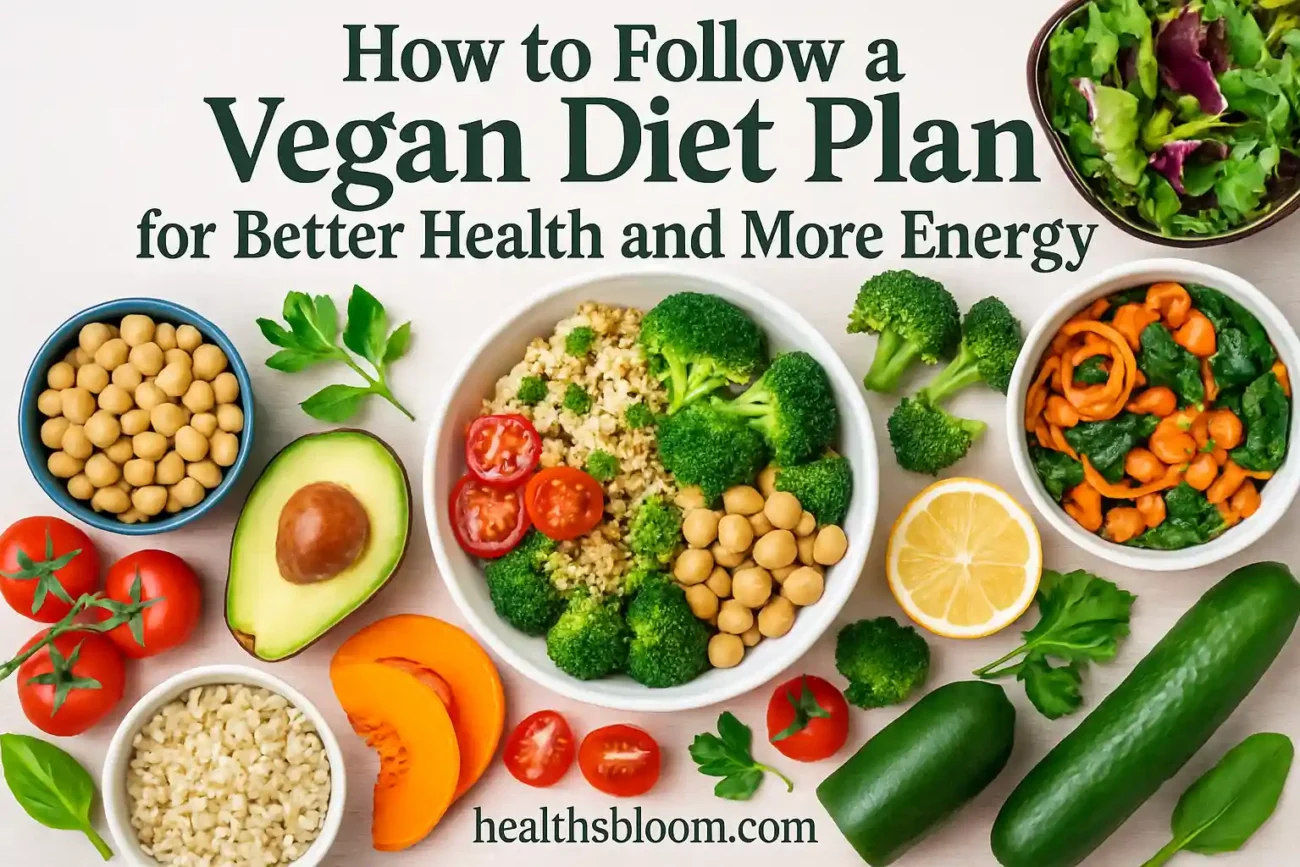
Introduction
A growing number of people are trying meat-free meals since they may improve health and also boost stamina. Many people now go plant-based not only for more energy, but because it helps them stay focused and strong daily. Choosing a green vegan diet plan may lift your mood, although giving you more pep during the day. This guide walks you through easy steps to add more plant-based meals each day, no stress, just progress. Skip major changes; try small switches that fit right now, so it feels natural over time. Ditch confusing terms or empty promises, focus on stuff that truly fits daily living.
Understanding Veganism
A vegan diet leaves out anything from animals, no poultry, milk, cheese, eggs, and sometimes even honey. A vegan diet plan may focus more on green veggies, fruits, beans, whole grains, nuts like almonds, or little sunflower kernels instead. People go this route for all sorts of motives: they care about creature welfare, worry over planet damage, or just want a livelier vibe daily. Studies suggest that a well-planned vegan diet can provide all necessary nutrients while reducing the risk of chronic conditions, including heart disease, type 2 diabetes, and certain cancers.
Health Benefits of a Vegan Diet
- Weight Management: Many people who shed excess pounds by eating a vegan diet plan, plant-based meals tend to pack fewer calories but plenty of fiber. So you stay full longer, which means munching less without even trying. Try something new each day, yet still enjoy steady energy and way fewer cravings.
- Enhanced Energy Levels: Plant-based foods, often consumed in their whole, unprocessed form, provide a steady supply of complex carbohydrates and nutrients, leading to sustained energy and avoiding the ‘crash’ associated with processed foods. Instead of crashing later, you’ll stay charged since real plants pack plenty of good stuff like nutrients and natural energy. These keep your body running clean, minus the junk or unnecessary fillers slowing you down.
- Improved Digestion: Better digestion kicks in when you load up on fibrous stuff – like veggies, apples, or oatmeal they help your gut do its job smoothly. Instead of feeling sluggish, food flows better since fiber keeps things moving steadily. It also steadies blood sugar levels, so you dodge those sharp drops or spikes. Fiber every day keeps your digestion smooth while supporting a healthy gut.
- Reduced Risk of Chronic Diseases: Few people end up with major health troubles if they skip meat, research says it cuts down chances of heart issues, some cancers, and even type 2 diabetes. Plant-based meals pack a punch with built-in shields like antioxidants, so your body stays strong over time.
- Better Skin Health: Fruits and veggies pack lots of antioxidants, like vitamin C, which battle damage from pollution or sun – this helps clear up your skin while cutting down on spots.
Key Nutrients to Consider On a Vegan Diet
Though skipping meat might seem smart, keep an eye on what you eat every day. Check these must-have picks when ditching animal stuff:
- Protein: Beans, lentils, plus chickpeas give solid protein; meanwhile, tofu, tempeh, or seitan work well instead of meat. Quinoa is packed full of amino acids, yet nuts are handy bites with plenty of protein. Switching things up each day keeps levels on track without hassle.
- Vitamin B12: Vitamin B12 helps nerves work right, also pitches in when your body builds DNA along with red blood cells. Mostly found in things like meat or dairy, which means folks skipping those usually go for enriched options, think oat drinks or breakfast flakes, or pop a supplement now and then.
- Omega-3 Fatty Acids: Omega-3s help your heart while improving focus. Your body can’t make these on its own. Instead of fish, go for flaxseed or chia; both pack a strong punch. Walnuts taste good but also do you good, just like hemp makes shifting habits smooth. Want EPA and DHA without animal products? Go for supplements made from algae instead.
- Iron: Ferrum helps carry oxygen through your bloodstream. It’s part of what makes red cells work. You can find it in stuff like lentils, spinach, and maybe even quinoa. Eat those alongside fruits rich in vitamin C, such as citrus, berries, or bell peppers, to help your body take in more iron.
- Calcium: Calcium helps bones stay tough. If you stick to plants, grab enriched soy milk or toss in some tofu now and then. Almonds work too – don’t skip them. Leafy stuff like kale gives a boost once in a while. Tahini’s another option worth checking out.
- Vitamin D: Vitamin D helps your body take in calcium more easily, which can boost how you feel day to day. When sunshine weakens in certain areas, try enriched foods or pills, particularly when winter rolls in and days get darker.
- Zinc: Zinc helps your body stay strong by supporting immunity. Instead of beans, try lentils; they pack plenty. Nuts add more, even if just a small handful. Throw in some seeds; they pull weight, too. Whole grains? They lend support every once in a while.
Creating a Balanced Vegan Meal Plan
Taking on a plant-based meal way of eating? Mix things up so you don’t miss key stuff in a vegan diet plan. Check out one whole day laid bare, morning to midday, which flows right into night.
Breakfast
- Combine a ripe banana with crisp spinach, mix in flaxseeds, and finish with unsweetened almond milk for a simple, nourishing smoothie. Pile it high into a dish, lay on slender fruit pieces, stir in crispy granola bits, then scatter chia seeds over the whole thing.
Snack
- Hummus and vegetables: Pair creamy hummus with carrot sticks, sliced cucumbers, or bell peppers for a simple, tasty snack.
Lunch
- Quinoa Salad: Combine cooked and cooled quinoa with black beans, corn, diced tomatoes, and creamy avocado for a fresh, satisfying bowl. Toss in some fresh cilantro. Drizzle lime juice on top, then a little olive oil, just enough to pull the whole meal together.
Snack
- Fruit plus nuts? Try it, toss in some sliced almonds or walnuts alongside a crunchy apple, maybe even a ripe pear.
Dinner
- Toss tofu and broccoli in a hot pan, throw in bell peppers, along with snap peas. Drizzle with soy sauce, toss in garlic, perhaps a bit of ginger for a kick. Plate it on brown rice or swap in whole grain noodles if that’s your thing.
Dessert
- Chia Seed Pudding: Stir chia seeds into coconut milk, and pour in a splash of maple syrup. Leave it overnight so it firms up when done, and add some fresh berries on top.
Read Also: Immunity Boosting Tips for Daily Wellness and Disease Prevention
Tips for Successfully Adopting a Vegan Diet Plan
- Educate Yourself: A Vegan diet plan to eat plant-based meals, notice how it fuels your body. Check out which dishes boost your mood and keep you going. When you understand your options, changing feels less tough.
- Plan Meals and Groceries: Spend a little time thinking about what you’ll eat soon. Instead, write down what you need for groceries. This way, getting things ready early stops you from reaching for junk food later.
- Experiment with Recipes: Try fresh dishes, dive into daring vegan diet plan picks from around the world. That way, flavors stay fun while mixing things up daily.
- Find Support: Meet others who eat like you online or nearby for backup. These groups swap tips, hype each other up, but stay honest. People here understand because they’re walking the same path.
- Listen to Your Body: Listen to what your body tells you, spot the meals that give you energy. Switch things up now and then with choices that cheer you on without stirring hunger.
- Stay Hydrated: Stay hydrated throughout the day, your system works smoothly with steady fluids, meanwhile your belly stays comfortable; on top of that, you’ll feel livelier from morning till night.
- Manage Your Budget Wisely: Keep your spending under control by choosing cheap basics – try beans, lentils, or brown rice. Instead of buying lots of packaged meat substitutes, go for simpler options that save money in a vegan diet plan.
- Navigating Social Situations and Eating Out: Look up menus ahead of time – or just ring the place to ask about vegan diet plan food. Heading to a get-together? Bring along a hearty plant-powered meal to pass around.
- Consider Supplements: Consult a healthcare professional about potential supplements like B12 (essential for all vegans), algae-sourced omega-3s, or Vitamin D, especially during winter months.
Conclusion
A move toward more plants on your plate done the right way often leads to better energy, plus feeling good day to day. A vegan diet plan picking unprocessed, soil-sourced foods covers what your body craves, minus gaps. For some, it’s about respect for animals; others care more about the planet or personal wellness. The reasons can bring deeper meaning. A good number of people say their thoughts feel sharper, and they get more energy daily once they switch to eating mostly plant-based meals.
FAQs:
What is the best way to start a vegan diet plan for better health and more energy?
The most effective approach toward a vegan diet program to improve well-being and increased strength is by gradually substituting animal food with plant-based foods such as fruits, vegetables, whole grains, legumes, nuts, and seeds. Pay attention to balanced meals, which have sufficient amounts of protein, fiber, and good fats to maintain adequate energy in the body during the day.
Can a vegan diet plan provide enough nutrients for better health and more energy?
Yes, a properly designed vegan diet can give all the necessary nutrients that help improve health and increase energy levels. The protein, iron, calcium, and vitamins will be sufficient since leafy greens, beans, fortified plant-based milk, and whole grains contain various nutrients.
Disclaimer: This Healthsbloom article is for educational purposes only. Consult a healthcare professional before starting a vegan diet to ensure your nutritional needs and health goals are met.
Source: Harvard Health Publishing
