
Introduction
Every month, your body goes through a natural cycle of rising and falling energy. Instead of struggling against these unpredictable shifts, cycle syncing allows you to use your hormones as a roadmap for better diet and fitness. Cycles repeat quietly, offering chances most overlook at first glance. Tuning in turns what seems chaotic into something useful instead. Energy climbs, dips, returns, never stuck, always moving ahead.
Your body has natural cycles that you can optimize with the help of knowing about them, and help you optimize your energy, mood, and physical performance. This guide is a breakdown of practical strategies that can enable women to tap the power of their menstrual cycle syncing in order to achieve maximum health and wellness.
Understanding the Four Phases of the Menstrual Cycle Syncing
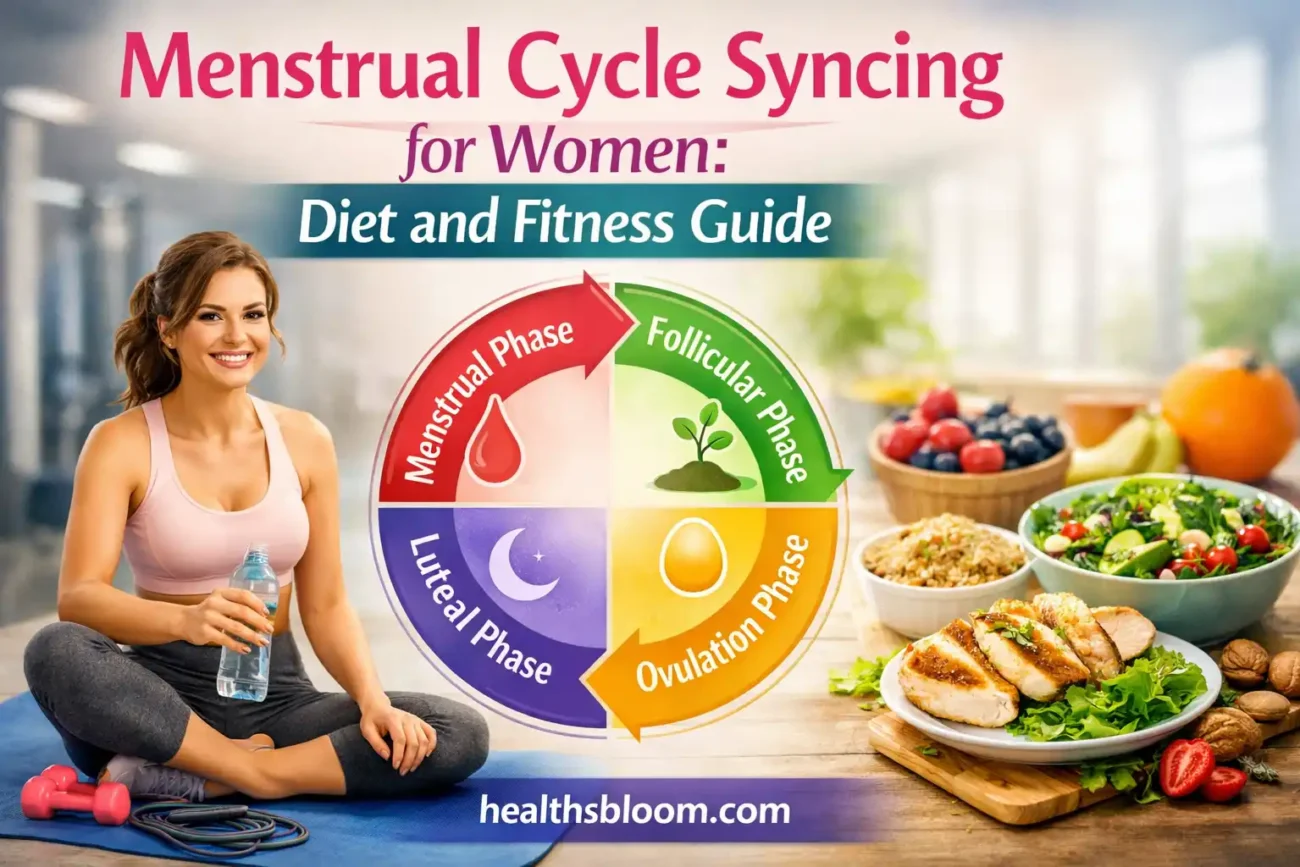
Every month has a hormonally determined pattern that cycles in four phases, namely menstrual, then follicular, then ovulation, and finally the luteal phase. This flow isn’t only tied to bleeding but involves constant internal adjustments. Energy rises or dips depending on where you are in the pattern. Metabolism shifts quietly under the surface. Cravings appear not at random but linked to these hidden waves. Every stage carries its own physical signals in menstrual cycle syncing.
- Menstrual Phase (Days 1-5): Blood begins to flow, marking day one. Hormones dip sharply around this time, often bringing tiredness along with belly discomfort. Moving slowly helps try a stroll or light bends instead of pushing hard. Rest matters most when the body feels heavy.
- Follicular Phase (Days 6–14): Estrogen climbs now, lifting energy levels along with mental sharpness muscle recovery speeds up too. Strength sessions work well here, since intense effort feels more natural during these days.
- Ovulatory Phase (Days 15-17): Midway through the cycle around days fifteen to seventeen energy climbs high. When power matters most, give muscles what they need: foods like chicken, beans, or oats stay steady in the mix. Strength lasts longer when meals match effort. This window pushes physical limits further than usual.
- Luteal Phase (Days 18-28): When temperatures climb during days eighteen through twenty-eight, so does appetite. Movement stays best when smooth, think swimming or controlled Pilates moves. At this stage, levels of the hormone progesterone go up. As a result, your body burns energy faster, which might bring extra appetite or swelling in tissues commonly felt as bloating. Fuel with foods high in magnesium; they help balance moods while holding energy steady. This part of the cycle likes consistency, not extremes.
Being aware of these steps helps you mold your habits specifically for your own body, rather than following a one-size-fits-all approach.
Diet Plans in Every Stage
Food is fuel, and aligning your meals with your menstrual cycle syncing can significantly influence your energy, mood, and weight control.
- Menstrual Phase: Menstruation results in the loss of blood, and this should be replaced with food rich in iron, e.g., lentils, leafy greens, and lean meat. The foods that help in curing cramps are hydration and anti-inflammatory foods, such as berries and fatty fish.
- Follicular Phase: High-protein foods and complex carbohydrates should be included during the Follicular Phase, and they help to increase and strengthen the muscles. Consider quinoa salads made of grilled tofu or chicken.
- Ovulatory Phase: The Omega-3s and antioxidants boost the optimal hormonal functions. Salmon, nuts, and colorful vegetables are the most significant.
- Luteal Phase: Eat high-magnesium foods (dark chocolate, pumpkin seeds) to help bloat less and become less moody. Fiber helps in digestion during this higher metabolic rate through fiber-rich fruits and vegetables.
With the assistance of smart meal manipulation, it might be possible to normalize hormones, reduce cravings, and maintain the level of energy constant all month long.
Physical Activity Matched to Hormones
Exercises cannot be a scenario of a one-size-fits-all plan, and aligning them with your menstrual cycle syncing is one of the ways to get the best results and prevent burnout.
- Menstrual Phase: Light and restful exercises like stretching, yoga, or walking are effective in tension relief.
- Follicular Phase: Strength training and high-intensity interval training (HIIT) turn out to be the most effective with an increase in estrogen.
- Ovulatory Phase: This is the ideal period of competitive sports or heavy lifting due to maximum strength and endurance.
- Luteal Phase: Cycling, swimming, and pilates, among others, are moderate in nature, but they will not leave one tired and will provide more body temperature and possible bloating.
Smart and sustainable exercise will mean that you listen to your body; you will exercise when you are actually tired rather than exercising when you are tired, and this will result in injury or imbalance in your hormones and body.
Menstrual Cycle Syncing Lifestyle Changes
As a supplement to food and fitness, other lifestyle influences better menstrual health and well-being.
- Sleep: The most important sleep should be 7-9 hours a night, particularly in the luteal and menstrual phases when fatigue prevails.
- Stress Management: Certain breathing exercises, meditation, and journaling may allow you to manage your cortisol; otherwise, it will destroy your cycle.
- Tracking Tools: Journals and apps will aid you in planning nutrition and activity much more efficiently. It is less complicated to trace the pattern of the energy levels, cravings, and moods.
These whole body diets bring about a way of life that goes hand in hand with your hormones, instead of subjecting yourself to very strict regimes.
Counter-Perspective
Even though menstrual cycle syncing is not far off, critics caution that research is in its infancy. The strict syncing has been argued to be unrealistic due to individual differences in the cycle length and hormone levels. Some others indicate that lifestyle adaptability and general nutrition could be more beneficial than the effects of specific cycle tracking. However, even a moderate one, which can modify the meals and exercises according to the general phase patterns, could still provide some visible benefits in terms of energy, mood, and fitness.
Conclusion
Menstrual cycle syncing is not merely a craze, but a feasible system of the natural hormonal cycles to enhance food, exercise, and well-being. Being aware of your monthly cycle, altering nutritional needs, personalized exercises, and simplified lifestyle changes can transform monthly changes to not a challenge but a competitive advantage. Start small: you should carefully track your cycle, experiment with various nutrition and activities, and streamline those that actually fit your specific body. Cycle syncing is likely to empower women, energize them, and make them more in touch with their bodies throughout the month over time.
Frequently Asked Questions
Menstrual Cycle Syncing for Women: Diet and Fitness Guide
Start small. You do not have to make any changes immediately. The first step is to follow your cycle with the help of an app or journal during the month. When you are aware of your phases, make the first adjustment to your workouts and afterwards to your meals.
Am I able to cycle sync with hormonal contraception?
As hormonal birth control does not allow the natural high and low levels of estrogen and progesterone, you will not be able to experience the four phases in this guide. Nevertheless, it is not too late to think about an overall healthy diet and pay attention to the amount of energy your body receives every day.
What do you think is the time frame of cycle syncing?
The majority of women report a change in energy and mood in two to three complete cycles. It will require time for your body to adapt to the new nutrition and exercise patterns.
Can cycle syncing be of use to PCOS women?
Yes! menstrual cycle syncing may be highly useful in dealing with PCOS symptoms by lowering inflammation by means of dieting and avoiding burnout due to excessive exercising. It aids in achieving a balance of hormones.
Should I be perfect in the diet and exercise plan?
Not at all. Menstrual cycle syncing involves flexibility, rather than perfection. When you are in your Follicular phase, and you feel you need to rest, then listen to your body. This is just a guide that would assist you in taking a roadmap and not a set of rules.
Disclaimer: Information on Healthsbloom.com is for educational purposes, not medical advice. Consult a healthcare provider before making hormonal or fitness changes, especially if managing medical conditions.
